
Service
Custom Foot Orthoses
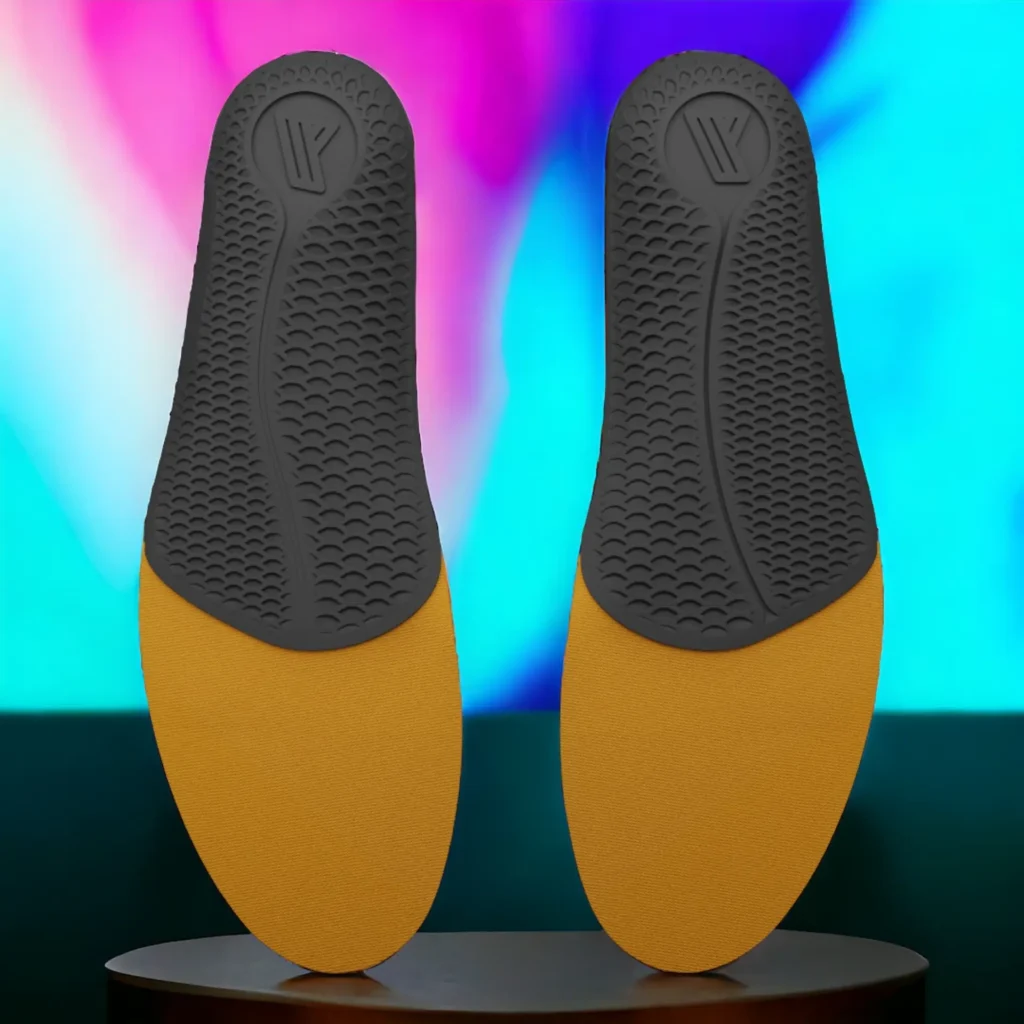
Functional insoles, often called orthoses, are custom-made devices designed to fit inside your shoes and improve the way your feet and lower limbs function.
Unlike simple cushioning insoles, functional orthoses are carefully designed to influence how forces are distributed through your feet when you stand, walk and run. They can help reduce strain on painful tissues, improve stability, redistribute pressure and allow injured structures to recover.
Orthoses are not about forcing your feet into a “perfect” position. Instead, they are designed to optimise foot function and reduce the stresses that may be contributing to pain or injury.

Service
Why Might I Need Orthoses?
Your podiatrist may recommend orthoses if your foot structure, walking pattern, activity levels or injury history are contributing to pain or dysfunction.
Orthoses are prescribed to achieve a specific clinical goal. This may be reducing pain, improving function, protecting vulnerable tissues, redistributing pressure, supporting an injured structure or helping prevent recurrence of a problem.
They can help by:
- Reducing excessive strain on muscles, tendons and ligaments
- Improving foot and ankle stability
- Redistributing pressure away from painful areas
- Supporting injured tissues while they heal
- Improving comfort during walking, standing and sport
- Reducing the likelihood of recurrent injury
- Protecting vulnerable areas of the foot from excessive loading
Orthoses are often prescribed as part of a wider treatment plan alongside exercises, footwear advice and activity modification.
Service
Conditions That Orthoses May Help
Heel Pain and Plantar Fasciitis
Flat Feet and Arch Pain
Many people have naturally flat feet and experience no problems at all. Having flat feet is not a condition in itself and does not automatically require treatment.
However, if flat feet are associated with pain, fatigue or instability, orthoses can help reduce excessive strain on the muscles, tendons and ligaments that support the foot.
Tendon Problems
Orthoses may help reduce stress on tendons around the foot and ankle, including:
- Tibialis posterior tendon dysfunction
- Peroneal tendon pain
- Achilles tendinopathy
Forefoot Pain
Orthoses can help redistribute pressure beneath the ball of the foot, providing relief for conditions such as:
- Metatarsalgia
- Capsulitis
- Morton's neuroma
- Overload beneath individual metatarsal heads
Arthritis
For some people with arthritis affecting the feet or ankles, orthoses can improve comfort by reducing pressure on painful joints and improving walking efficiency.
Children's Foot Problems
In some cases, orthoses may be recommended for children experiencing pain, fatigue or difficulties related to their foot function. Treatment is always based on symptoms and function rather than appearance alone.
Sports Injuries
Athletes place significant demands on their feet and lower limbs. Orthoses may help manage overuse injuries, improve comfort during activity and support return to sport.
Knee, Hip and Lower Limb Pain
Because the feet form the foundation of the body’s movement system, changes in foot mechanics can sometimes influence symptoms higher up the body.
Where foot function is contributing to the problem, orthoses may form part of a wider treatment plan for conditions affecting the knees, shins or lower limbs.
Pressure Areas and Painful Bony Prominences
Orthoses can be designed to redistribute pressure away from areas that are exposed to excessive loading.
This may be beneficial for people with:
- Bunions (hallux valgus)
- Hammer toes
- Claw toes
- Prominent metatarsal heads
- Midfoot prominences
- Areas of recurrent hard skin or callus formation
By reducing pressure on vulnerable tissues, orthoses can improve comfort and help reduce the recurrence of painful pressure lesions.
Diabetic Foot Problems and Ulcer Prevention
For people at increased risk of foot ulceration, orthoses can play an important role in reducing excessive pressure beneath the foot.
Specially designed orthoses may be prescribed to:
- Reduce high-pressure areas
- Protect vulnerable skin
- Accommodate foot deformities
- Reduce friction and shear forces
- Help reduce the risk of pressure-related wounds and ulceration
These devices are often used alongside appropriate footwear as part of a comprehensive diabetic foot care plan.
Following Foot Surgery or Injury
Orthoses are sometimes used to accommodate structural changes within the foot following surgery, fracture or injury.
They can help redistribute pressure, improve comfort and support long-term function where permanent changes to foot mechanics have occurred.
Bespoke Orthoses
Every foot is unique, and so is every orthosis we prescribe.
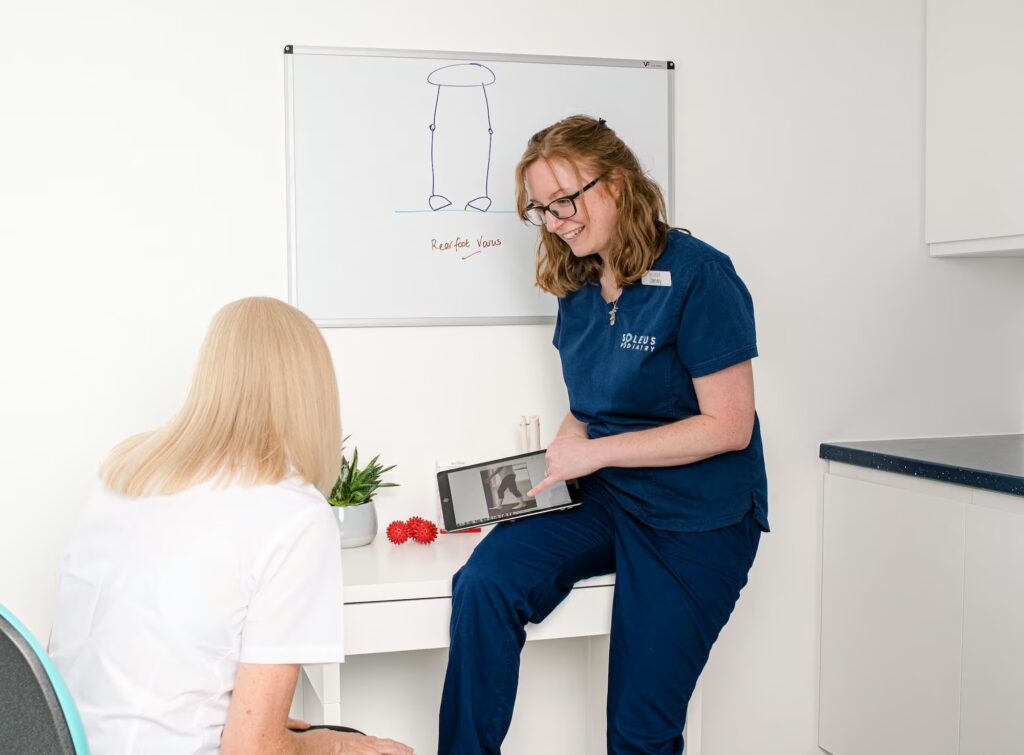
Our orthoses are individually designed following a detailed assessment of your symptoms, foot structure, gait, activity levels and treatment goals. This allows us to target specific areas of excessive pressure or mechanical stress with a high degree of precision.
The aim is not simply to provide support, but to create a device that addresses the underlying factors contributing to your symptoms while fitting comfortably into your footwear and daily life.
What Happens During an Orthotic Assessment?
A comprehensive assessment typically includes:
- Discussion of your symptoms and medical history
- Examination of your feet and lower limbs
- Assessment of your walking and movement patterns
- Evaluation of your footwear
- Consideration of your work, hobbies and sporting activities
This information helps determine whether orthoses are likely to benefit you and guides the design of the most appropriate device for your needs.
Will Orthoses Cure My Problem?
Orthoses are not a cure-all, and they do not permanently change the shape of your feet.
Their role is to reduce excessive stress on painful tissues and create a more favourable environment for recovery. Many conditions respond best when orthoses are combined with targeted exercises, footwear modifications and appropriate activity management.
For some conditions, orthoses may provide long-term symptom control. For others, they may only be required during a period of recovery or increased activity.
Common Misconceptions About Orthotics
Flat Feet Always Need Orthotics
No. Many people have flat feet and never experience pain or functional problems. Orthoses are prescribed based on symptoms, function and clinical findings, not simply foot shape.
Orthotics Weaken Your Feet
There is no good evidence that appropriately prescribed orthoses weaken the muscles of the feet. They should help the feet function as effectively as possible, not support them. In many cases, they allow people to remain active while managing pain and injury.
Orthotics Are Only for Older People
Orthoses can benefit people of all ages, from children with painful foot conditions to active adults and competitive athletes.
Once You Have Orthotics, You'll Need Them Forever
Not necessarily. Some people choose to wear orthoses long term because they remain comfortable and beneficial. Others may only need them while recovering from an injury or managing a particular condition.
Are Orthoses Right For Everyone?
No. Orthoses are just one of many treatment options available.
Our aim is always to identify the underlying cause of your symptoms and recommend the most appropriate treatment plan. If orthoses are unlikely to provide meaningful benefit, we will discuss alternative approaches that may be more suitable.
Considering Orthoses?
If you are experiencing persistent foot, heel, arch, ankle or lower limb pain, a podiatry assessment can help determine whether orthoses may be beneficial.
We will explain your diagnosis, discuss all appropriate treatment options and provide clear recommendations tailored to your individual needs and goals.